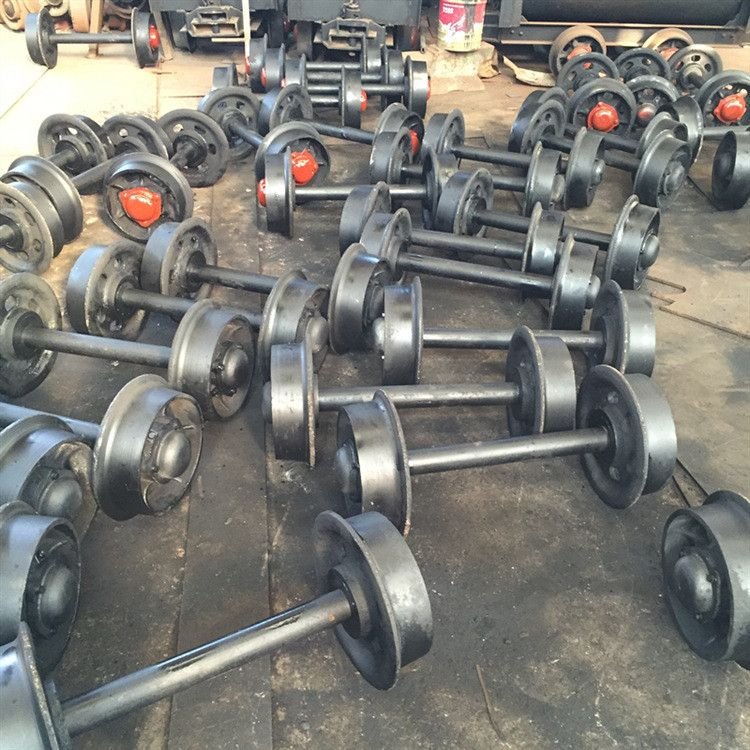
Ensuring Durability and Operational Efficiency
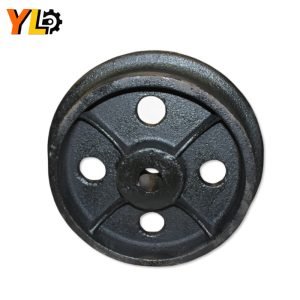
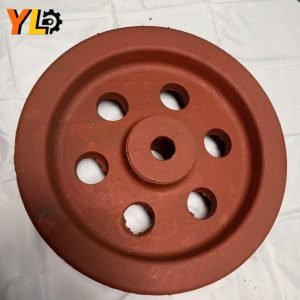
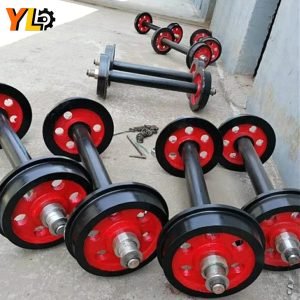
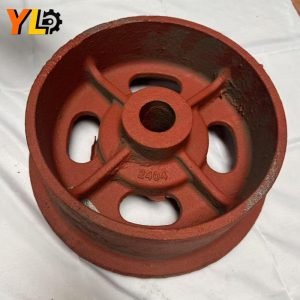
In the demanding environment of mining operations, every component of your equipment plays a critical role in maintaining productivity, safety, and cost-effectiveness. Among these, mine car wheels are often overlooked—yet they are the backbone of material transport, bearing immense loads, navigating rough terrain, and enduring extreme conditions daily. Neglecting their maintenance can lead to unexpected downtime, increased repair costs, and even safety hazards. This guide outlines essential practices for maintaining and preserving mine car wheels, ensuring they perform reliably for years to come.
Why Mine Car Wheel Maintenance Matters
Mine car wheels operate in some of the harshest conditions: heavy payloads (often tens of tons), uneven or debris-strewn tracks, exposure to moisture, dust, and corrosive materials (like ore residues), and constant friction. Over time, these factors cause wear, deformation, and component failure.
- Downtime risks: A worn or damaged wheel can seize, derail, or break, halting transport and delaying production—costing mines thousands in lost output.
- Safety hazards: Wheel failures increase the risk of accidents, endangering workers and damaging surrounding equipment.
- Cost escalation: Reactive repairs (replacing entire wheelsets) are far more expensive than proactive maintenance.
Prioritizing upkeep isn’t just about extending wheel life—it’s about protecting your operation’s bottom line and workforce.
Key Maintenance Practices for Mine Car Wheels
1. Daily Visual Inspections
Start with the basics: a thorough visual check before each shift. Train operators and maintenance teams to look for:
- Cracks or fractures: Pay special attention to wheel rims, hubs, and welds—even small cracks can expand under load.
- Uneven wear: Check for “flat spots” or uneven tread erosion, which indicate misalignment, overloading, or track irregularities.
- Loose components: Ensure wheel hubs, axles, and fasteners are tight. Loose parts cause vibration, accelerating wear.
- Corrosion or debris buildup: Moisture and ore dust can corrode metal surfaces or jam moving parts (e.g., bearings).
2. Regular Cleaning
Mines are dusty, dirty environments, and debris trapped in wheel assemblies (e.g., between the wheel and axle) acts like sandpaper, grinding away at metal.
- Use high-pressure water or air to remove dirt, ore particles, and grease buildup.
- For corrosive residues (e.g., from sulfide ores), use mild, non-abrasive cleaners to prevent rust.
- Dry components thoroughly after cleaning to avoid moisture-related corrosion.
3. Lubrication: Protecting Moving Parts
Wheel bearings and axles rely on proper lubrication to reduce friction and heat. Without it, metal-on-metal contact leads to premature failure.
- Use lubricants rated for heavy loads and extreme temperatures (mining environments often fluctuate between cold shafts and hot surface areas).
- Follow manufacturer guidelines for lubrication frequency—over-lubrication can attract dust, while under-lubrication causes friction.
- Inspect seals regularly: damaged seals allow contaminants to enter, compromising lubricant effectiveness. Replace worn seals immediately.
4. Wear Measurement and Monitoring
Visual checks alone aren’t enough—quantify wear to plan replacements proactively.
- Use calipers or specialized gauges to measure tread thickness. Most manufacturers specify a minimum safe thickness (e.g., 80% of original).
- Track wear rates over time to identify patterns: Is one wheel wearing faster than others? This may signal misalignment or uneven load distribution.
- Record measurements in a maintenance log to forecast when wheels or bearings will need replacement, avoiding last-minute shortages.
5. Alignment Checks
Misaligned wheels or axles cause uneven wear, increase rolling resistance, and strain the entire car structure.
- Inspect wheel-to-track alignment: Wheels should run parallel to the track, with equal spacing on both sides.
- Check axle straightness: Bent axles (from impacts or overloading) force wheels to “scrub” against tracks, accelerating wear.
- Adjust or replace misaligned components promptly—small corrections now prevent costly repairs later.
6. Addressing Common Issues
| Problem | Cause | Solution |
|---|---|---|
| Excessive tread wear | Overloading, misalignment, or rough tracks | Reduce load; realign wheels; repair track. |
| Bearing overheating | Lack of lubrication or contaminated grease | Clean and re-lubricate; replace damaged bearings. |
| Wheel cracking | Fatigue from repeated heavy loads | Replace with higher-strength alloy wheels; reduce overloading. |
| Corrosion | Moisture or chemical exposure | Clean and apply anti-rust coatings; improve drainage in storage areas. |
The Long-Term Benefits of Proactive Maintenance
Investing time in mine car wheel upkeep delivers tangible returns:
- Extended lifespan: Well-maintained wheels can last 30–50% longer than neglected ones.
- Reduced costs: Proactive repairs cost 50–70% less than emergency replacements.
- Improved safety: Minimizes risks of derailments or equipment failure.
- Consistent productivity: Fewer breakdowns mean uninterrupted material transport.
Conclusion
Mine car wheels are the unsung heroes of mining operations, and their reliability depends on consistent care. By integrating daily inspections, regular cleaning, proper lubrication, and data-driven wear monitoring into your maintenance routine, you’ll protect your equipment, your workforce, and your bottom line.
Don’t wait for a failure to act—prioritize wheel maintenance today, and keep your mining operation moving forward.