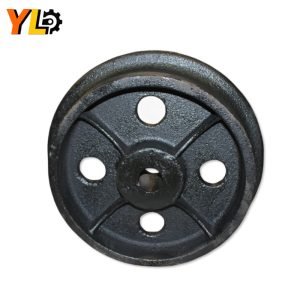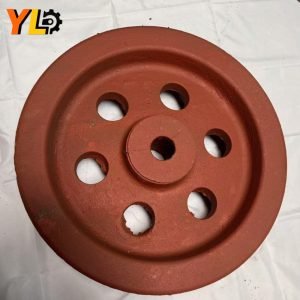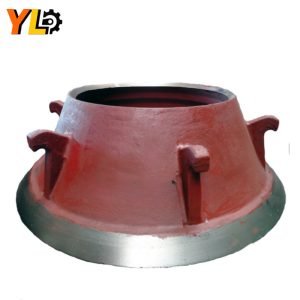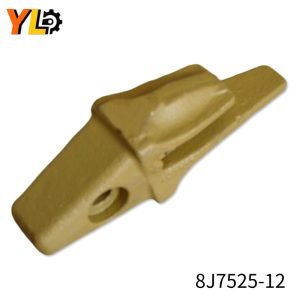
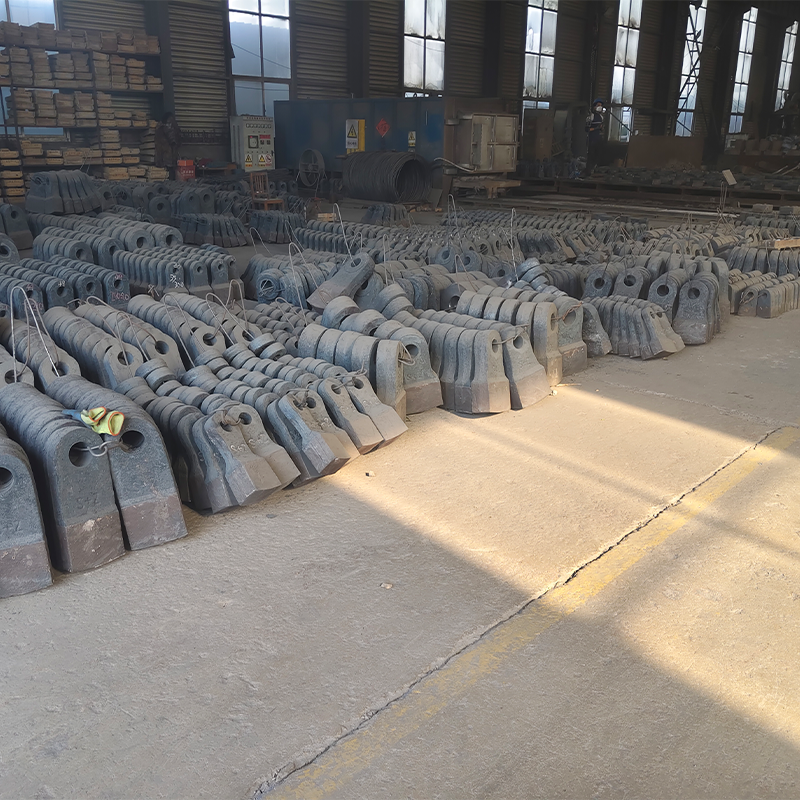
In the harsh environments of mining operations, wear-resistant castings are critical components that directly impact equipment reliability, maintenance costs, and operational efficiency. From crusher liners and conveyor idlers to screen panels and drill bits, these parts must withstand extreme abrasion, impact, and corrosion. The choice of material for mining castings is therefore a decision that demands careful analysis of operational conditions, performance requirements, and long-term cost-effectiveness. This article explores the key factors in material selection and why Yinglin Mining Casting stands out as a trusted partner in delivering tailored solutions.
Understanding Wear Mechanisms in Mining
To select the right material, it is first essential to identify the primary wear mechanisms at play:
- Abrasive Wear: Caused by hard particles (e.g., ore, gravel) sliding or impacting surfaces, common in crushers, chutes, and grinding equipment.
- Impact Wear: Occurs when heavy loads or high-velocity materials strike components, such as in hammer mills or conveyor transfer points.
- Corrosive Wear: Resulting from chemical reactions with moisture, minerals, or acidic environments, typical in wet mining operations.
- Fatigue Wear: Due to repeated stress cycles, leading to surface cracking and material loss, seen in rotating parts like screen decks.
Materials must be engineered to resist the dominant wear mechanism while balancing other properties like toughness, machinability, and cost.
Key Material Properties for Mining Castings
The ideal wear-resistant material for mining applications should exhibit a combination of:
- Hardness: To resist penetration by abrasive particles (measured via Rockwell or Brinell scales).
- Toughness: To absorb impact without fracturing (critical for high-impact zones).
- Corrosion Resistance: To withstand harsh chemicals and moisture.
- Heat Resistance: For high-temperature environments (e.g., in roasting or smelting processes).
- Cost-Effectiveness: Balancing initial material costs with long service life to minimize total ownership expenses.
Common Materials for Mining Wear-Resistant Castings
1. High-Chromium Cast Iron (HCCI)
- Properties: Exceptional hardness (55–65 HRC) due to chromium carbide precipitates; good abrasion resistance.
- Limitations: Lower toughness, making it susceptible to impact damage.
- Applications: Crushers, grinding mill liners, and low-impact abrasive environments.
2. Ni-Hard Cast Iron
- Properties: High hardness (50–60 HRC) and improved toughness compared to HCCI; contains nickel and chromium.
- Applications: Screens, pump casings, and moderate-impact abrasive settings.
3. Low-Alloy Wear-Resistant Steel
- Properties: Balances hardness (30–50 HRC) and toughness through alloying with manganese, molybdenum, or nickel.
- Applications: Conveyor components, bucket teeth, and high-impact zones.
4. Austenitic Manganese Steel (Hadfield Steel)
- Properties: Work-hardening capability—soft initially (200–300 BHN) but hardens under impact (up to 500 BHN); excellent toughness.
- Applications: Jaw crusher plates, impactor liners, and high-impact, low-abrasion environments.
5. Composite Materials
- Properties: Combine a tough base (e.g., steel) with a wear-resistant surface layer (e.g., carbide inserts or thermal spray coatings).
- Applications: Custom components requiring targeted wear resistance, such as chute liners.
Yinglin Mining Casting: Tailored Material Solutions
At Yinglin Mining Casting, we understand that no two mining operations are identical. Our approach to material selection is rooted in:
- Application Analysis: Our engineers collaborate with clients to assess wear conditions, operational parameters, and performance goals.
- Custom Material Formulation: We develop proprietary alloys (e.g., enhanced high-chromium irons with modified carbide distribution) to optimize wear resistance for specific scenarios.
- Advanced Manufacturing: Using precision casting techniques (e.g., sand casting, investment casting) and heat treatment processes, we ensure consistent material properties and dimensional accuracy.
- Testing & Validation: All castings undergo rigorous testing (abrasion testing, impact testing, corrosion resistance analysis) to meet industry standards (e.g., ASTM, ISO).
Whether your operation requires high-abrasion resistance for ore processing or impact toughness for heavy-duty crushing, Yinglin delivers castings designed to extend service life and reduce downtime.
Conclusion
Material selection for mining casting wear-resistant parts is a critical decision that impacts operational efficiency and costs. By aligning material properties with specific wear mechanisms and operational needs, mining companies can achieve significant improvements in equipment performance. Yinglin Mining Casting combines expertise in material science, custom engineering, and quality manufacturing to provide tailored solutions that stand up to the toughest mining environments.
Contact us today to discuss your wear-resistant casting requirements and discover how our materials expertise can drive your operational success.